
 102+ Lessons
  10hrs
10hrs 8 students enrolled
Overview
Course Description
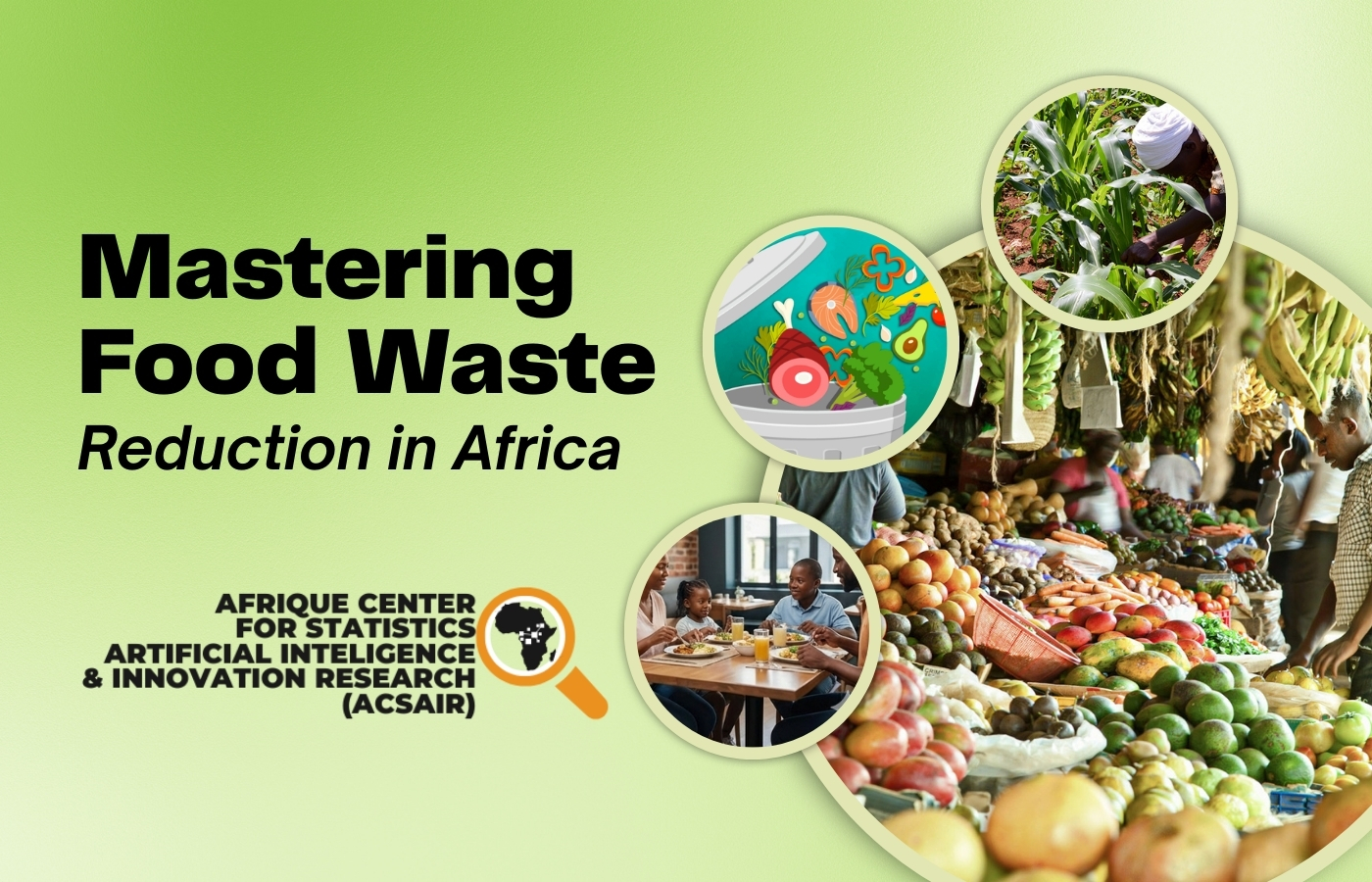
Mastering Food Waste Reduction in Africa is a practical, action-focused course designed for for everyone, regardless of profession, background or age. The course helps learners identify where food is lost from farm to plate and apply low cost, realistic solutions that work in African contexts. It combines food safety, waste reduction and income saving strategies, then guides learners to build a 30 day action plan they can implement immediately in their home, business, market or community. It also aligns with global food loss and food waste action priorities under SDG 12.3.
What you'll learn
- By the end of this course, you will be able to:
- 1. Understand the difference between food loss and food waste and why both matter.
- 2. Identify where food is lost or wasted along the food chain (farm, storage, transport, market, kitchen and plate).
- 3. Measure and track food waste using simple methods (counting, containers, weighing or money value).
- 4. Apply practical waste reduction strategies for farmers, traders, transporters, homes, restaurants and schools.
- 5. Use safe food handling, storage, serving and leftover practices to protect health and reduce waste.
- 6. Manage unavoidable food waste through sharing, animal feed, composting or biogas (where appropriate).
- 7. Explore community solutions and small business ideas that reduce food waste and create income.
- 8. Develop a simple 30-day action plan to reduce food loss and waste in your home, farm, business, market or school.
- This course is designed for everyone, regardless of profession, background or age. It is specially curated to build the capacity of professionals and community members, including farmers, traders, transporters, retailers, households, schools, restaurants, community leaders and anyone who buys or prepares food.
- 10 learning modules
- Glossary
- Checklists
- Templates
- Certificate of Completion
- A notebook
- A pen
- A small scale/balance (if possible)
- A phone (optional)
Target Audience
Materials Included
Requirements
Course Content
102 Lectures
-
-
 2.1 The money story: waste is like throwing cash in the bin
-
2.2 The hunger story: waste and hunger can live in the same place
-
2.3 The health story: bad food can make people sick
-
2.4 The climate story: wasted food warms the planet
-
2.5 The land and water story: wasting food wastes resources
-
2.6 Real-life mini stories (African examples)
-
-
-
Quick check (answer in your notebook)
-
-
4.1 Why measuring helps (explanation)
-
4.2 Choose ONE place to measure
-
4.3 Simple measurement methods (no special tools)
-
4.4 A simple notebook table (copy this template)
-
4.5 Measuring at different places (practical tips)
-
4.6 How to use your numbers (turn numbers into action)
-
-
-
Quick check (answer in your notebook)
-
-
5.1 The farmer’s first rule: reduce damage and heat
-
5.2 Harvesting at the right time (not too early, not too late)
-
5.3 Sorting and ‘first aid’ for produce
-
5.4 Packing and handling (small changes, big results)
-
5.5 Drying grains safely (maize, beans, groundnuts)
-
5.6 Storing grain and legumes (prevent insects and rodents)
-
5.7 Simple value addition to reduce spoilage
-
5.8 Planning harvest and sales (avoid ‘glut’ losses)
-
-
-
-
Quick check (answer in your notebook)
-
-
6.1 The trader’s main problem: time + heat + bruising
-
6.2 Buying smarter (avoid buying more than you can sell)
-
6.3 Better packing and loading (protect food in transport)
-
6.4 Smart display at the market (simple, low-cost)
-
6.5 Pricing and selling strategies (sell before it spoils)
-
6.6 Cold chain options (from simple to advanced)
-
6.7 Market leadership: what market committees can do
-
-
-
Quick check (answer in your notebook)
-
-
7.1 Why homes and kitchens waste food
-
7.2 Home steps that really work (simple habits)
-
7.3 Food safety basics (WHO Five Keys in simple words)
-
7.4 Leftovers: safe ways to save and use them
-
7.5 Restaurants and hotels: practical controls
-
7.6 Schools: reduce waste without reducing nutrition
-
-
-
Quick check (answer in your notebook)
-
-
8.1 First question: can this food still be eaten safely?
-
8.2 The food waste hierarchy (best to last)
-
8.3 Level 1: Prevent waste (the best option)
-
8.4 Level 2: Feed people (share or donate safe surplus food)
-
8.5 Level 3: Feed animals (when appropriate and safe)
-
8.6 Level 4: Compost (turn organic waste into fertilizer)
-
8.7 Level 5: Biogas (where possible)
-
-
-
-
Quick check (answer in your notebook)
-
-
10.1 The 30-day method (structure)
-
10.2 Step 1: Choose your focus (pick ONE)
-
10.3 Step 2: Measure your baseline (7 days)
-
10.4 Step 3: Choose your quick wins (examples by group)
-
10.5 Step 4: Run your 30-day plan (simple schedule)
-
10.6 Simple targets (do not make them too hard)
-
10.7 Your final assignment (practical)
-
-
Quick check (answer in your notebook)
-
10.6 The Africa Food Sustainability Challenge (TAFSC 2026)


 Enrolled: 8 Students
  Duration:
10hrs
Duration:
10hrs  Chapters: 102+ Lessons
  Level:
beginner
Level:
beginner